The sweeter side of Earl Grey
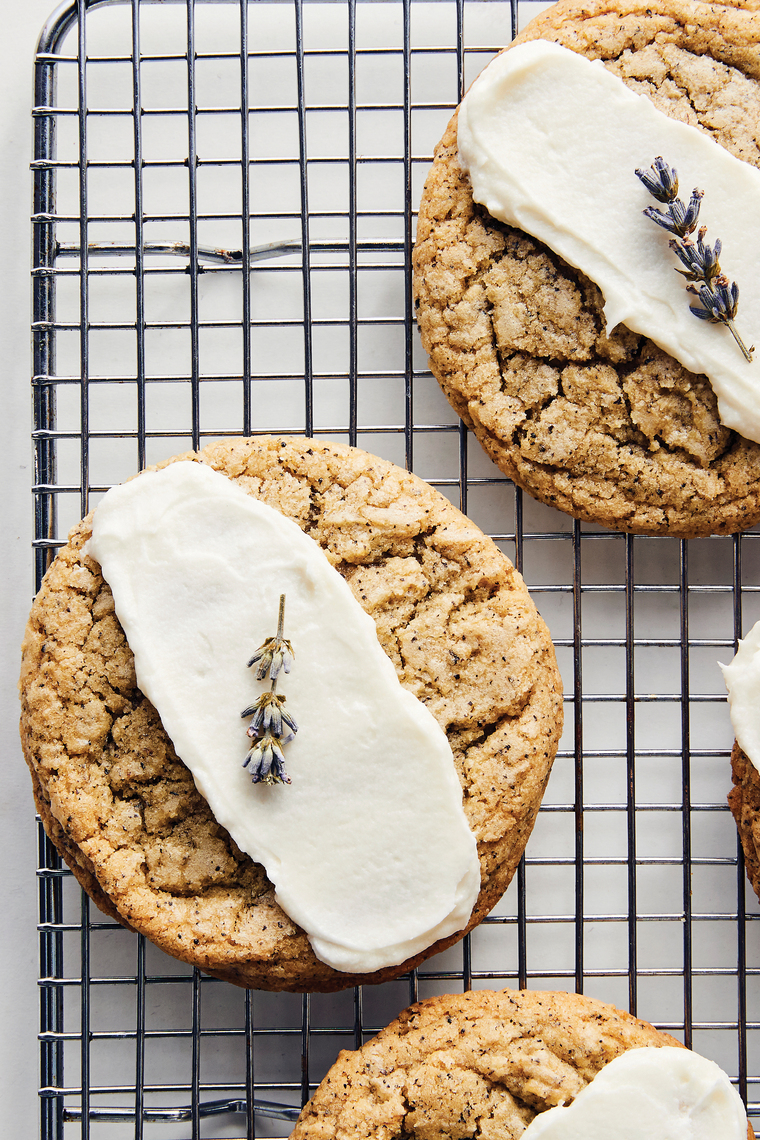
Photo by New York Times Photo
London Fog CookiesThese oversized cookies capture the essence of a frothy, bergamot-scented London Fog tea latte in every crumb. Start by infusing melted butter with a generous amount of Earl Grey tea and, if you like, culinary lavender, creating a flavor-packed foundation for the cookie dough. For a perfectly crisp exterior and a chewy, fudgy interior, bake the cookies until lightly golden and fragrant, with centers that still look a bit underbaked. Finish by topping the cookies with a delicate layer of milky, butter-laced vanilla frosting to mimic the vanilla foam floating on top of a London Fog.
London Fog Cookies
Ingredients:
For the cookies:
3 tablespoons/169 grams unsalted butter
3 Earl Grey teabags
(or 1 1/2 tablespoons loose-leaf tea, see Tip below)
1/2 teaspoon culinary lavender, optional (see Tip), plus more for decorating
1/2 cup plus 2 tablespoons/116 grams granulated sugar
1/2 packed cup/100 grams light brown sugar
2 teaspoons vanilla extract
1/2 teaspoon kosher salt, such as Diamond Crystal
1 1/2 cups/206 grams all-purpose flour
1 teaspoon baking powder
1/2 teaspoon baking soda
1 large egg/50 grams
For the glaze:
3 tablespoons/42 grams unsalted butter
3/4 cup/93 grams powdered sugar
1 tablespoon/12 grams whole milk
1/2 teaspoon vanilla extract
Directions:
In a small saucepan over medium heat, add the butter. Once the butter is mostly melted, cut open the teabags, add the tea and stir for a minute. Add the lavender, if using, then remove the pot from heat. Steep, covered, for 10 minutes.
In a mixing bowl, combine the granulated sugar, brown sugar, vanilla and salt. To a small bowl, add the flour, baking powder and baking soda and whisk to combine.
Don't miss out on what's happening!
Stay in touch with breaking news, as it happens, conveniently in your email inbox. It's FREE!
Without straining, pour the tea-infused butter over the sugar. Using a silicone spatula, vigorously stir to combine. Make sure the butter is not sizzling hot, then add the egg and vigorously stir for 1 to 2 minutes to combine while cooling down the batter. Add the dry ingredients and mix until there are no dry flour spots. Chill the cookie dough uncovered for 10 minutes in the fridge.
When ready to bake, divide the dough into eight 1/4-cup balls (a 4-tablespoon scoop is helpful here) and place on the small sheet pan (you should have 8 balls, each weighing about 80 grams). Transfer the cookie balls to a small parchment-lined sheet pan or a large plate and freeze for 45 minutes, uncovered, until firm to the touch.
Arrange racks in the upper and lower thirds of the oven. Heat the oven to 350 degrees. Line two large baking sheets with parchment paper. Arrange half of the frozen cookie dough on each sheet, leaving 5 inches between each cookie.
Bake for about 16 minutes, until the cookies look lightly golden and puffed up, while the centers still look a bit underbaked. Firmly knock the bottom of the pans against a hard heat-proof surface a few times to flatten the cookies. Cool for 5 minutes, then transfer the cookies to a cooling rack to cool completely.
In a microwave-safe bowl, microwave the butter for about 30 seconds, until very soft but not completely melted. Add the sugar, milk, vanilla and a tiny pinch of salt. Whisk until smooth.
Drizzle one or two thick stripes of frosting on each room-temperature cookie using a silicone spatula. Decorate with more lavender if you like. The glaze will take a moment to set and will maintain a softer consistency, so it’s better if the cookies are not stacked right away. Store in an airtight container or zip-close bag for up to 2 days.
Tips: If using loose-leaf tea, pulse in clean spice grinder until coarsely ground before using.
Cultivated and processed to ensure safe consumption, culinary lavender has a palatable, less soapy flavor and can be found in specialty stores, local lavender farms or online.
Total time: About 2 hours, make about 8 (4 1/2-inch) cookies.
© 2026 The New York Times Company