Final Girl Power
I couldn’t stop laughing when my friend told me that his childhood hero was the rebellious, denim-jacket-wearing John Bender from The Breakfast Club.
“That explains a lot!” I managed to squeak out between gasps for air. When I told him mine were Ripley from the Alien franchise and Nancy from the original A Nightmare on Elm Street, he gave an approving nod.
“You mean the smart girl who no one listens to, that ends up saving everyone?”
Exactly.
It’s no coincidence that so many successful horror franchises take place in nostalgic settings and revolve around young protagonists whom no one takes seriously. The isolation of dealing with their fears alone makes their situation all the more terrifying. That is, no adults take them seriously, but their friends do.
Blockbuster franchises like It and Stranger Things harken back to the 1980s because studies show when adults refer to “the good ol’ days,” we are most often recalling our time from elementary through high school, where many of us formed our deepest friendship bonds, irreplaceable to this day.
Don't miss out on what's happening!
Stay in touch with breaking news, as it happens, conveniently in your email inbox. It's FREE!
Several of Stephen King’s most revered stories revolve around how friends not only provide us with physical protection from monsters — real or metaphorical. They provide mental security as well, an emotional and psychological “safe space” in which our fears are validated, and we can be ourselves. The 1986 film Stand by Me, adapted from King’s novella The Body, ends with the line, “I never had any friends later on like the ones I had when I was 12 — Jesus, does anyone?”
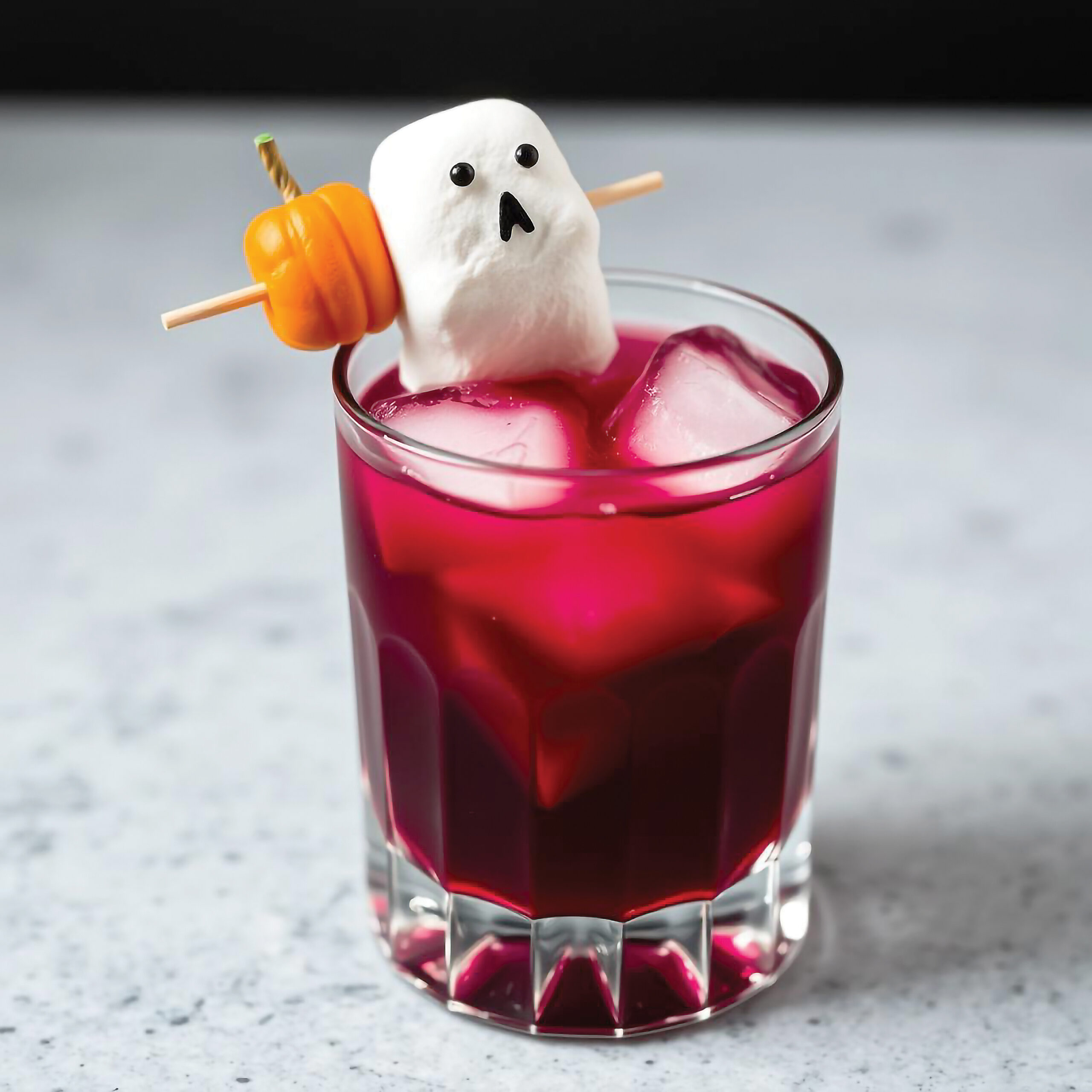
This may be why, during Halloween, my favorite of spooky seasons, we gather in our most ghoulish of garbs and scurry en masse to bars, or squish into theaters to shriek joyously at jump scares, and share buckets of Hurricane popcorn. Studies show doing so alone may actually spike our blood sugar levels.
A recent NPR Short Wave science podcast cited a study by researcher Shir Atzil in the journal Science Advances that stated that those who ate in social groups were 24% more efficient at regulating blood sugar and clearing glucose from their blood. This is possibly because we’ve evolved to associate being around others with eating, which prompts our brains to release insulin sooner.
Behavioral neuroscientist James Coan goes on to posit that by associating social groups with safety, we allow our bodies to do other things with the sugar we consume — like grow hair or store that sugar for later use. Both Coan and Atzil agree the evidence seems to suggest our need for social bonding is rooted in our biology. If that’s the case, then it behooves us to prioritize dining with friends!
While many of Stephen King’s bestsellers manifest the power of friendship, some of his most famous works epitomize the torments of isolation. From Carrie to The Shining, King’s mastery of stoking fear through segregation and seclusion reveals for us consequences far more harrowing and gruesome than a mere blood sugar spike.
Perhaps that’s why we all gravitate towards the trope of the “final girl,” the one who stays and faces her fears instead of running away. We think if we could all have a friend like her, or maybe even be her, the world would be a safer, healthier place for us all.